A Rushed Process with Far-Reaching Consequences
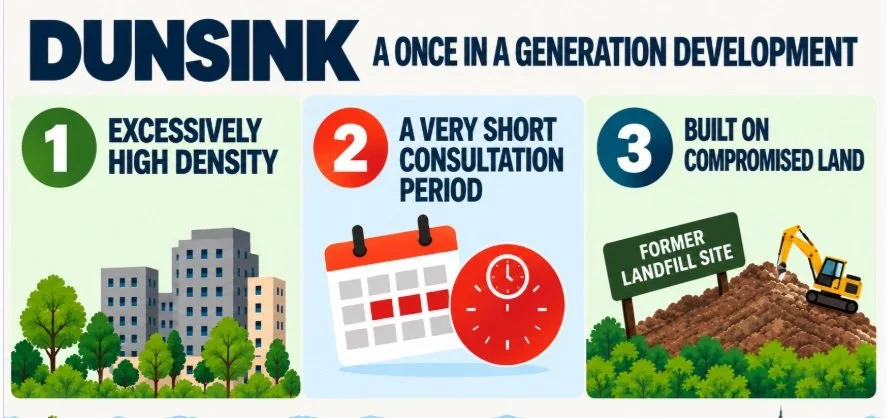
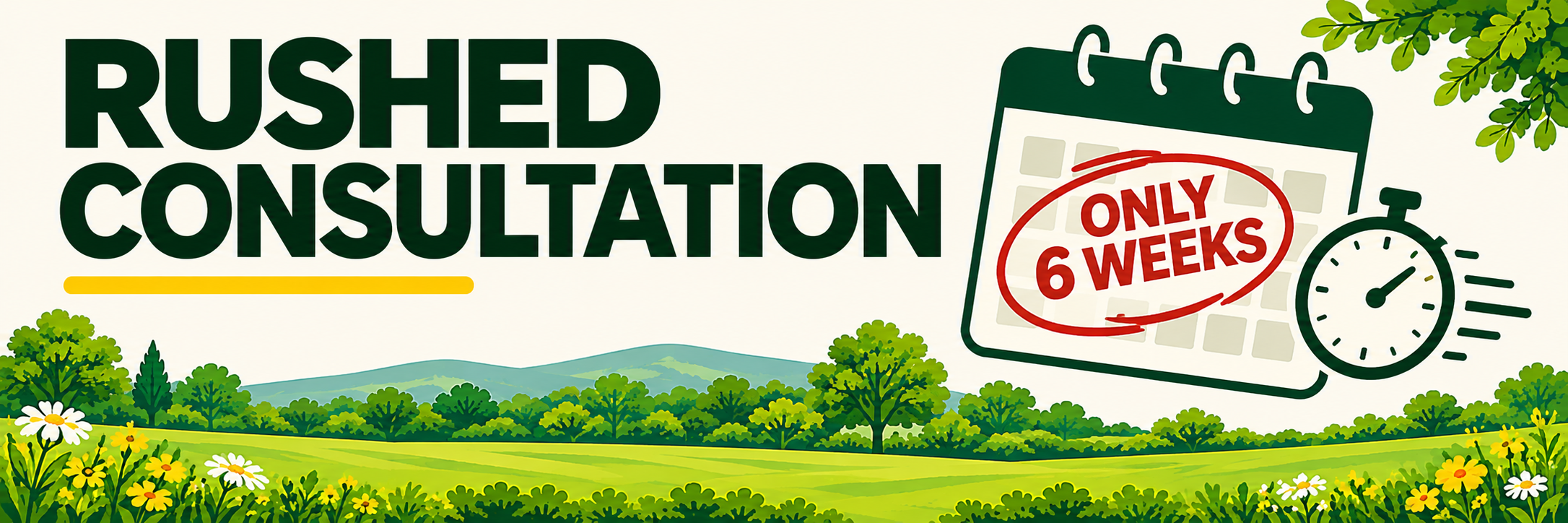
The consultation for the Dunsink Urban Area Plan lasted just six weeks, from 19 June to 31 July 2026, over the summer holiday period. Only one public meeting was held, providing limited opportunities for residents to engage with proposals for an entirely new town. Local stakeholders were not adequately engaged, and elected representatives from Dublin North-West were not notified. Six weeks was an unreasonably short period for communities to examine a development of this scale and assess its implications for transport, roads, schools, healthcare, infrastructure and the environment. A plan of this magnitude demands meaningful engagement, transparency and sufficient time for communities to understand what is being proposed and make informed submissions.
The proposals differed substantially from earlier development expectations, yet many residents felt they had little opportunity to understand the changes, ask questions or influence the outcome. The cost of €100 for a printed copy of the plan also presented an additional barrier for anyone seeking a physical copy of the plan.
A consultation is not meaningful simply because a document is published and a deadline is set. People need accessible information, local engagement and a genuine opportunity to understand and respond to proposals that may permanently change their communities.
Communities Beyond Fingal Left Out
The consultation also failed to adequately consider the potential impact on communities outside the Fingal County Council boundary, including those in Finglas, Cabra and Ashtown. The consequences of a development of this scale will not stop at an administrative boundary: traffic congestion, pressure on existing roads and public transport, and demand for local services could affect neighbouring communities across Dublin. Concerns about the rushed process continued into the decision-making stage, when Fingal councillors were initially given just one day to consider approximately 240 motions relating to the plan. A development that will shape the lives of tens of thousands of people deserves a consultation and decision-making process that is proportionate to its scale—not one that leaves communities struggling to be heard.